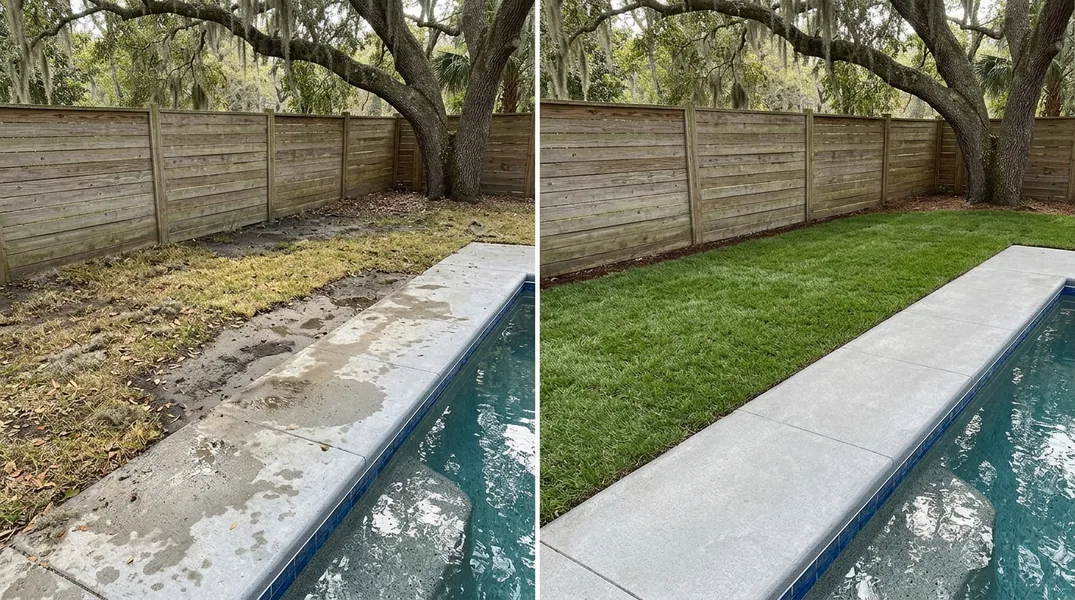
Understanding HOA Artificial Grass Policies in Charleston
If you own a home in a homeowners association community in Charleston, you already know that HOAs come with rules and guidelines. One of the most common questions we hear at Charleston Artificial Grass Installation is whether artificial grass is allowed in front yards, and what the approval process looks like. The answer depends entirely on your specific HOA's governing documents and architectural review board policies.
Many Charleston-area HOAs have become increasingly receptive to artificial grass over the past decade. The reasons are compelling: reduced water consumption, lower maintenance costs, and a consistently manicured appearance that appeals to community standards. However, some HOAs still maintain strict policies requiring natural grass or specific aesthetic standards that may exclude certain types of turf alternatives. Before you invest in Residential Artificial Grass Installation, it's essential to review your HOA's covenants, conditions, and restrictions (CC&R) document and speak directly with your architectural review committee.
Front Yard Artificial Grass Rules: What Charleston HOAs Typically Require
Front yards are the most regulated areas in most HOA communities because they directly impact curb appeal and property values. When it comes to artificial grass in front yards, HOAs typically focus on several key criteria. First, they want to ensure the turf looks natural and well-maintained. This means the grass should have a realistic color, texture, and pile height that complements the neighborhood aesthetic. Many HOAs also specify minimum quality standards, requiring homeowners to use premium-grade artificial turf rather than budget alternatives that fade or look plastic after a few seasons.
Another common requirement is drainage and installation standards. HOAs want to confirm that artificial grass won't create pooling water or drainage problems that could affect neighboring properties. Some HOAs also mandate specific backing materials or installation methods to ensure longevity and proper water permeability. Additionally, many communities require that artificial grass not extend beyond property lines or into common areas without explicit approval. If your property borders a street or common green space, your HOA will likely have specific guidelines about setbacks and visibility. Understanding these rules before submitting your application will significantly improve your chances of approval.
The HOA Submittal and Approval Process for Artificial Turf
The formal approval process for artificial grass typically begins with your HOA's architectural review board or architectural control committee. Most communities require homeowners to submit a written request that includes detailed information about the proposed project. This usually means providing product specifications, color samples, installation diagrams, and sometimes photographs of the existing yard and proposed design. The level of detail required varies by community, but being thorough in your initial submittal dramatically increases the likelihood of quick approval.
When preparing your submittal for your Mount Pleasant or North Charleston HOA, include a letter explaining why you want artificial grass and how it will benefit your property and the community. Attach product data sheets showing that your chosen turf meets industry standards for UV resistance, drainage, and durability. Many HOAs appreciate seeing certifications from manufacturers or installation companies that demonstrate quality and longevity. If you're working with a professional installation company like Charleston Artificial Grass Installation, ask them to provide documentation they can include in your submittal package. Having professional credentials and detailed specifications shows that you've done your homework and take the request seriously.
After submission, the architectural review board will typically review your application within 30 to 60 days, though timelines vary. Some HOAs may request additional information or require an on-site inspection before making a final decision. If your application is approved, you'll receive written authorization to proceed. If it's denied or requires modifications, the board will explain their concerns so you can address them and resubmit. This back-and-forth process is normal and shouldn't discourage you. Many initially denied applications are approved after minor adjustments to the proposal.
Common HOA Objections to Artificial Grass and How to Address Them
Understanding potential objections before they arise helps you craft a stronger application. One of the most common concerns is that artificial grass looks fake or plastic. This was a legitimate concern 15 years ago, but modern turf technology has evolved dramatically. Today's premium artificial grass is virtually indistinguishable from natural grass at normal viewing distances. When submitting your application, include high-quality color samples and photographs of completed installations in similar climates. This visual evidence often eliminates aesthetic concerns immediately.
Another frequent objection relates to environmental impact, particularly in a water-conscious community. While some HOAs worry that artificial grass sends the wrong environmental message, many actually recognize that artificial turf reduces water consumption by up to 70 percent compared to natural grass. In South Carolina's humid climate, this benefit is particularly compelling during dry seasons. Address this proactively in your submittal by highlighting water conservation benefits and noting that artificial grass eliminates the need for chemical fertilizers and pesticides that can contaminate groundwater.
Some HOAs express concerns about heat retention, durability under extreme weather, or drainage issues specific to Charleston's climate. The Lowcountry's high humidity and occasional flooding are legitimate considerations. In your application, explain how modern artificial grass is designed to handle these conditions, with permeable backing systems that allow water to drain properly and UV-resistant materials that withstand intense Southern sun. If applicable, mention that professional installation ensures proper grading and drainage to prevent water accumulation.
Working with Professional Installers to Strengthen Your HOA Application
Partnering with an experienced Residential Artificial Grass Installation company can significantly improve your approval odds. Professional installers understand HOA requirements and can provide the documentation and specifications that review boards want to see. They know which products meet typical HOA standards and can recommend turf options that balance quality, appearance, and budget. Additionally, established local companies like Charleston Artificial Grass Installation have often worked with HOAs in your area and understand their specific preferences and concerns.
When you contact a professional installer, ask them about their experience with HOA approvals in Charleston. Request references from past projects in HOA communities. A reputable company will be happy to share examples of successful installations and explain how they've navigated the approval process. They can also provide detailed product information, installation photographs, and durability guarantees that carry weight with architectural review boards. Some installers will even attend HOA meetings or provide written recommendations to support your application. This level of professional involvement demonstrates that you're serious about meeting community standards and often results in faster approvals.
Next Steps: Getting Your HOA Approval and Moving Forward
Once you've reviewed your HOA documents and understand the requirements, the next step is reaching out to your architectural review committee directly. Don't assume artificial grass is prohibited. Many HOAs have approved hundreds of installations without issue. Have a conversation with your committee chair or architectural coordinator to understand their specific concerns and requirements. This informal discussion often clarifies what information you'll need to include in your formal submittal.
If you're ready to move forward with your project, Charleston Artificial Grass Installation is here to help. We've worked with homeowners throughout the Charleston area to navigate HOA approvals and install beautiful, durable artificial grass that meets community standards. Our team can provide the product specifications, installation details, and professional documentation your HOA needs to make an informed decision. Contact us today at (843) 994-2258 or visit our website to request a free estimate and discuss your HOA requirements with our experienced team. We'll work with you every step of the way to ensure your project meets both your expectations and your community's standards.
Looking for a professional artificial grass installation company in Charleston? Charleston Artificial Grass Installation responds fast for all your artificial grass installation needs.
Get a Free Quote