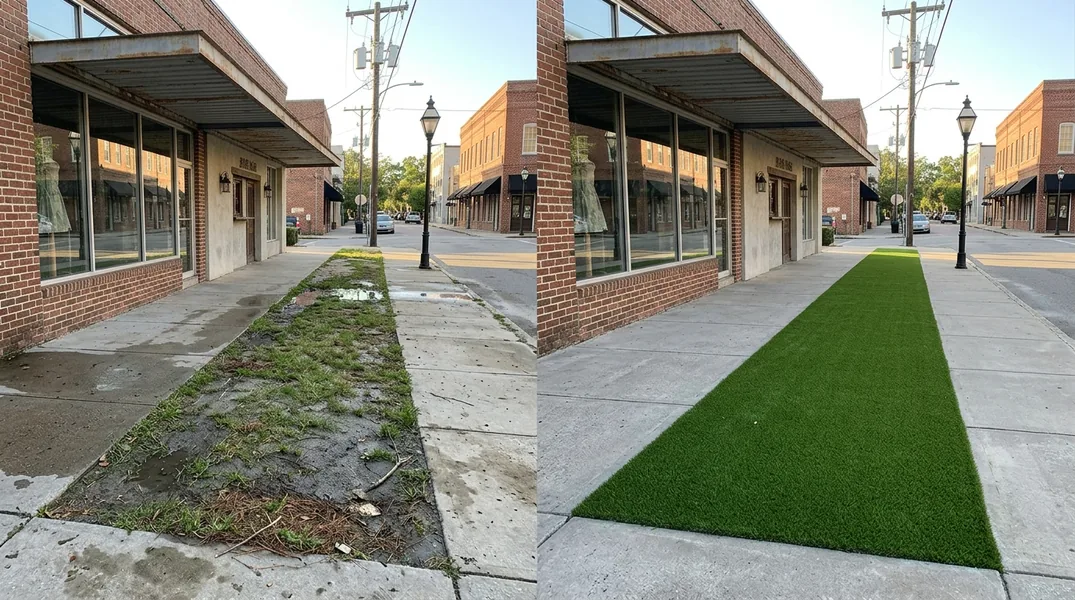
Does Artificial Grass Get Too Hot? The Charleston Reality
If you're considering Residential Artificial Grass Installation in Charleston, you've probably heard the concern: won't artificial turf turn into a scorching surface during our brutal summers? It's a fair question, and the short answer is yes, artificial grass can get hot. However, the real story is more nuanced, and there are proven strategies to keep your turf comfortable and safe for your family and pets.
The reality in Charleston is that artificial turf will warm up under direct sunlight, sometimes reaching temperatures 30 to 50 degrees Fahrenheit higher than the surrounding air. On a 90-degree day, your artificial grass surface could reach 120 to 140 degrees. That's hot enough to make barefoot walking uncomfortable, and it's a legitimate concern for homeowners with children and pets. The good news is that modern artificial grass technology and strategic installation choices have made this problem largely manageable.
Understanding Artificial Turf Heat: Why It Happens
Artificial grass absorbs and retains solar radiation differently than natural grass. Natural grass stays cooler because living plants transpire water through their leaves, creating a natural cooling effect. Artificial turf lacks this biological cooling mechanism, so it absorbs heat from the sun and holds it in the synthetic fibers and the infill material beneath. The darker the turf color and the denser the pile, the more heat it tends to absorb. This is basic physics, but it doesn't mean your yard has to become an uncomfortable hot zone.
The infill material under artificial grass plays a crucial role in heat retention. Traditional infill options like sand or rubber can contribute to higher surface temperatures. This is where modern cooling solutions come into play. Understanding the relationship between your turf's composition, infill type, and sun exposure is the first step toward solving the heat problem. When you invest in Residential Artificial Grass Installation, choosing the right materials makes a measurable difference in summer comfort.
Cooling Infill Solutions: The Game Changer for Charleston Summers
One of the most effective ways to reduce artificial turf heat is selecting a cooling infill product. Cooling infills are engineered to reflect solar radiation and dissipate heat more efficiently than traditional materials. Products like cool-play infill, silica sand with reflective coatings, and newer polymer-based cooling infills can reduce surface temperatures by 10 to 20 degrees Fahrenheit compared to standard rubber or sand infill. For homeowners in Charleston dealing with intense summer heat and humidity, this difference is genuinely noticeable.
Cooling infill works by incorporating materials with higher albedo, meaning they reflect more sunlight rather than absorbing it. Some advanced cooling infills also feature water retention properties that allow them to stay slightly moist, creating an evaporative cooling effect similar to how natural grass works. When you're planning your artificial grass installation, discussing cooling infill options with your installer is essential. The investment in premium infill is typically modest compared to the overall project cost, but it delivers real comfort benefits for barefoot use and pet safety during Charleston's hot months.
Shade, Orientation, and Strategic Landscaping
Beyond infill choices, the physical environment around your artificial grass installation matters significantly. Areas that receive afternoon shade stay considerably cooler than full-sun exposures. If your yard layout allows, positioning recreation areas and pet zones in naturally shaded spots reduces heat concerns. Trees, pergolas, shade sails, and even strategic fence placement can create cooler microclimates within your yard. This approach works especially well for Pet Turf & Dog Run Installation, where keeping the surface comfortable for your animals is a top priority.
Consider the orientation of your yard relative to the sun's path. South and west-facing areas get the most intense afternoon heat, while north-facing sections remain naturally cooler. If you're designing a new outdoor space, working with your installer to position high-use areas in cooler zones is smart planning. You can also install shade structures specifically designed to reduce turf temperature without blocking your entire yard. Many homeowners find that combining cooling infill with strategic shade solutions creates the ideal balance between enjoying an open yard and maintaining comfortable surface temperatures.
Practical Tips for Managing Artificial Grass Heat in Charleston
Beyond installation choices, there are everyday strategies to keep your artificial grass cooler. Watering your turf lightly during the hottest parts of the day can provide temporary cooling, similar to how a sprinkler system works. While artificial grass doesn't need water for health reasons, a quick rinse during peak heat can lower surface temperature and make the yard more comfortable for immediate use. This is particularly helpful before children play or pets spend extended time outdoors. Some homeowners in Charleston use this approach strategically on the hottest summer afternoons.
Another practical consideration is timing outdoor activities. Morning and early evening hours are naturally cooler, making them ideal times for recreation. Installing a simple thermometer on your turf lets you monitor actual temperatures and make informed decisions about use. For Pool Surround Turf applications, the proximity to water provides natural cooling benefits, and pool areas typically see more activity during morning and evening hours anyway. Being strategic about when and how you use your yard, combined with proper installation choices, effectively eliminates heat as a real problem for most homeowners.
Choosing the Right Artificial Grass Product for Charleston Heat
Not all artificial grass products are created equal when it comes to heat management. Premium turf products designed for warm climates feature lighter color options, lower pile density in some areas, and materials engineered to reflect rather than absorb solar radiation. When evaluating options, ask your installer about the specific turf product's heat performance. Look for products tested in hot, humid climates similar to Charleston. Some manufacturers provide temperature data comparing their products to competitors, and this information is valuable for making an informed decision.
The quality of the backing and the entire installation system also affects heat management. Professional installers understand how proper drainage, base preparation, and infill distribution contribute to overall temperature performance. If you're ready to explore artificial grass options tailored to Charleston's climate, reach out to Charleston Artificial Grass Installation for a free estimate. Our team can discuss specific products, cooling infill options, and yard layout strategies to ensure your installation stays comfortable year-round. Call us at (843) 994-2258 to discuss your project and learn about solutions designed specifically for our local climate.
Looking for a professional artificial grass installation company in Charleston? Charleston Artificial Grass Installation responds fast for all your artificial grass installation needs.
Get a Free Quote